
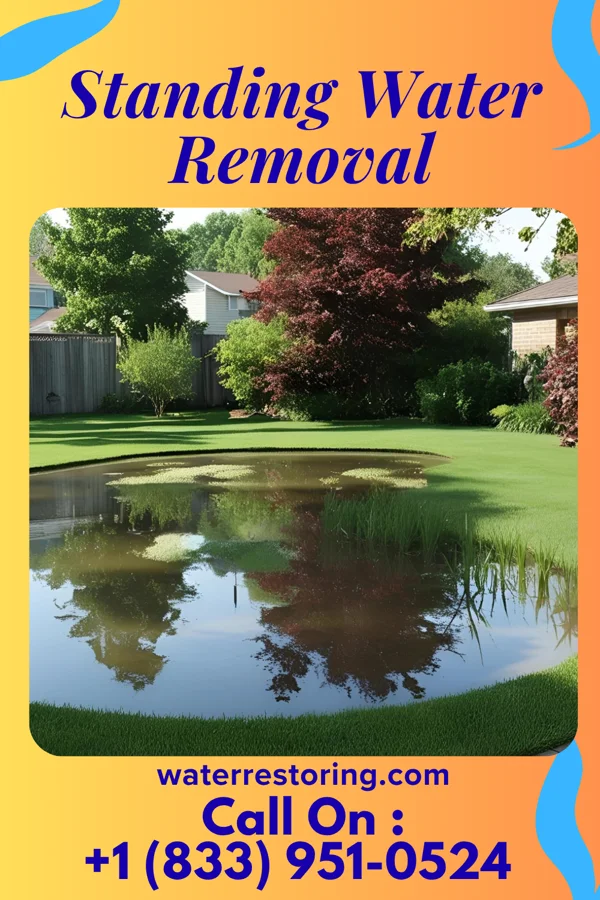
Why Yosemite Valley Standing Water Demands Fast Removal
Most water damage emergencies in Yosemite Valley start with In Yosemite Valley, water damage often stems from sudden flash floods during the spring snowmelt, particularly in low-lying areas near Crane Creek. Additionally, heavy rainfall events can lead to rapid runoff, saturating trails, campgrounds, and nearby structures.. A close second is Leaking waterlines in rustic cabins and park facilities, as well as groundwater seepage around historic buildings, are common secondary causes. Winter ice dams on eaves and roofs can also lead to internal water infiltration.. From the second water touches the property, every minute changes what gets saved and what gets ripped out.
Yosemite Valley experiences a Mediterranean climate with wet winters and dry summers, but the region is prone to sudden weather changes, including heavy precipitation and rapid temperature fluctuations. This creates a unique risk for water damage in both seasonal and unexpected conditions.
Most standing water removal calls in Yosemite Valley come from In Yosemite Valley, water damage often stems from sudden flash floods during the spring snowmelt, particularly in low-lying areas near Crane Creek. Additionally, heavy rainfall events can lead to rapid runoff, saturating trails, campgrounds, and nearby structures.. Running a close second is Leaking waterlines in rustic cabins and park facilities, as well as groundwater seepage around historic buildings, are common secondary causes. Winter ice dams on eaves and roofs can also lead to internal water infiltration.. Local mold risk: Mold growth in Yosemite Valley can occur quickly due to high humidity and cool temperatures, especially in shaded or poorly ventilated areas like campgrounds and trailside structures. Prompt action is crucial to prevent long-term damage to both structures and natural habitats.